

The word of the year is one that the teens you know probably use daily: maxxing.
So what does it means for your career and your payroll?
Somewhere between looksmaxxing and nonnamaxxing (yes, that’s real, and it means living like an Italian grandmother), a slang term took over the internet. Now it has a trophy. Dictionary.com named “maxxing” its 2026 Word of the Year, edging out words such as affordability, data center, odyssey and unc.
The idea is simple: Level up – take something to its fullest potential. It started with appearance and fitness, then spread to sleep, fiber, cozy nights and, lately, AI. For instance, Tokenmaxxing means using as much AI at work as you possibly can. Dictionary.com says use of “looksmaxxing” rose more than 1,000% since the start of the year in the media it tracked.
The word can be sincere or tongue-in-cheek, and that’s why it fits the workplace so well. Everyone is trying to optimize something. Everyone is also a little tired. What happens when maxxing walks into the office? It gets interesting, because both sides of the desk have something to gain.
IF YOU’RE LOOKING FOR WORK
Take a breath – you don’t need a new job, a new degree or a dramatic reinvention. Just start with what you already have.

Resumaxxing. Your résumé is likely to meet software before it ever meets a human.
In Jobscan’s survey of more than 380 recruiters, 99.7% said they use keyword filters in their applicant tracking system, and 76.4% start by searching for skills. Translation: mirror the language of the job posting, then back it up with proof. “Managed social media” is forgettable. “Grew followers 40% in six months” is not. Make sure your LinkedIn profile tells the same story.
Skillmaxxing. The World Economic Forum reports that workers can expect 39% of their existing skill sets to be transformed or become outdated between 2025 and 2030. That sounds scary, but the fix is small: take one course, learn one tool, volunteer for one stretch project. The same report says curiosity and lifelong learning keep rising in importance, so staying curious counts as a skill.
Networkmaxxing. Don’t wait until you’re job hunting to say hello. Reply to the former colleague’s post. Go to the industry event. Grab coffee with someone outside your department. Most opportunities arrive through people, not postings.
Opportunitymaxxing. Good work doesn’t always speak for itself. Tell your manager what you’d like to take on next. Raise your hand before the project is handed to someone else.
IF YOU’RE DOING THE HIRING
Finding great people costs time and money. Keeping them, and growing them, is where the return is.

Talentmaxxing. Before you post that opening, look down the hall. Is there someone with skills you aren’t using, or a goal they haven’t mentioned because nobody asked? An internal move saves you the cost of a search, and it shows the rest of your team there’s a path forward.
Developmentmaxxing. Training shouldn’t stop after orientation. LinkedIn’s 2025 Workplace Learning Report found that 88% of organizations are concerned about retaining employees, and learning opportunities were the top retention strategy respondents named. It doesn’t have to be expensive, either. Sometimes it’s a manager who’s willing to coach.
Productivitymaxxing. Audit how work actually gets done. Which recurring meeting could be a two-line email? Which approval process exists because of something that happened in 2014? Often the fastest way to boost productivity is to remove the thing that’s slowing good people down.
Engagementmaxxing. This one needs attention. Gallup reports that fewer than three in ten U.S. employees were engaged at work in the third quarter of 2026, the lowest level it has recorded since 2011. Engagement can’t be ordered up in an all-hands meeting. It comes from clear expectations, good managers and a sense that the work matters.
THE ONE THING NOBODY SHOULD MAX OUT
There’s a catch. When every skill needs upgrading, every task needs speeding up and every person is expected to do more, maxxing starts to look a lot like burnout. Dictionary.com itself notes the word captures both the push to do more and the urge to laugh at how absurd that push can get.
For workers, growth doesn’t mean being available at all hours or saying yes to everything. For employers, performance doesn’t come from squeezing more hours out of the same people. It comes from realistic workloads, solid leadership and a team that isn’t running on fumes. Maximize potential. Not workload.
SO, WHAT ARE YOU MAXXING?
If you’re a candidate, pick one thing this month: the résumé, a skill, a connection, a conversation with your boss. If you’re an employer, look past the next hire and ask whether you’re developing, supporting and using the people you already have.
At Lloyd Staffing, we see both sides of the employment equation every day. The strongest workplaces aren’t the ones asking people to do more. They’re the ones helping the right people do their best work.
OFFICIALLY MAXXED OUT
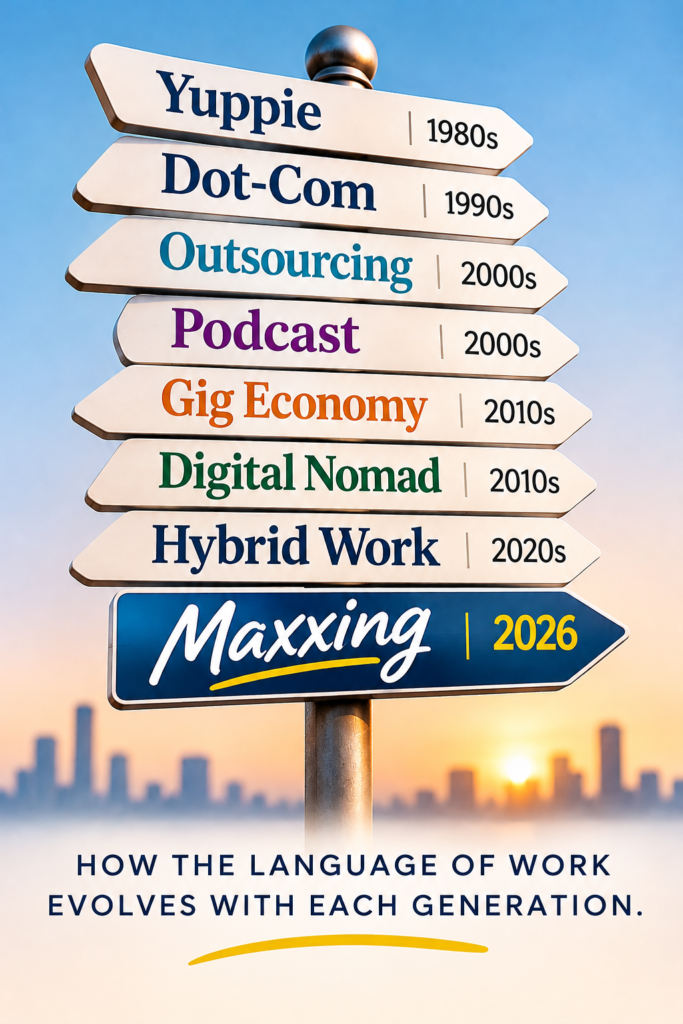
Workplace culture has always been shaped by words, trends and innovation. Each generation latches on to an identity built on how it communicates, engages and does its job. Today’s jargon becomes tomorrow’s vocabulary, and nobody blinks anymore.
Maxxing just made the list.
And now, friends, this writer is officially maxxed out on maxxing; I fully expect to hear it in a meeting or email by month end.
Author’s Note: I confess in researching this blog article I did come across a “hot” term that I was not familiar with – HENRY– as in high earner, not yet rich. Gotta love the jargon!
************************************
Are you in need of hiring support with a staffing partner that you trust to ensure you are maxxing your talent strategy? Let us review your pipeline and future needs. Hire Now.
Are you working, but not maxxing your potential?
Visit our Job Board to apply for one of our employment opportunities.
************************************
ABOUT THE AUTHOR
Nancy Schuman, CSP is the former Chief Communications Officer for LLoyd Staffing.
A recruitment and career specialist, Nancy has more than 40 years in the staffing industry – 27 of them with Lloyd. Now semi-retired, she remains an advocate for career education; she has advised thousands of candidates on their resumes and job searches. Nancy is the author of 11 popular books for job seekers and business professionals. You can find her Author’s page and books on Amazon. She continues to blog for Lloyd and coach job seekers at all levels, offering advice for today’s competitive workplace.