

Seven Best Practices for Respectful Hiring
The modern job market has evolved into a battlefield where both employers and candidates wield the power to “ghost” each other, but one side consistently bears the brunt of disrespectful treatment. While companies have long held the upper hand in recruitment, the tide of accountability is turning, and poor candidate experience is now causing measurable damage to organizational reputations and bottom lines.
The numbers tell a sobering story. Research reveals troubling patterns in how candidates are treated throughout hiring processes, with mutual abandonment creating a vicious cycle where trust erodes on both sides. However, the consequences for organizations extend far beyond a single lost hire.
The True Cost of Disrespect
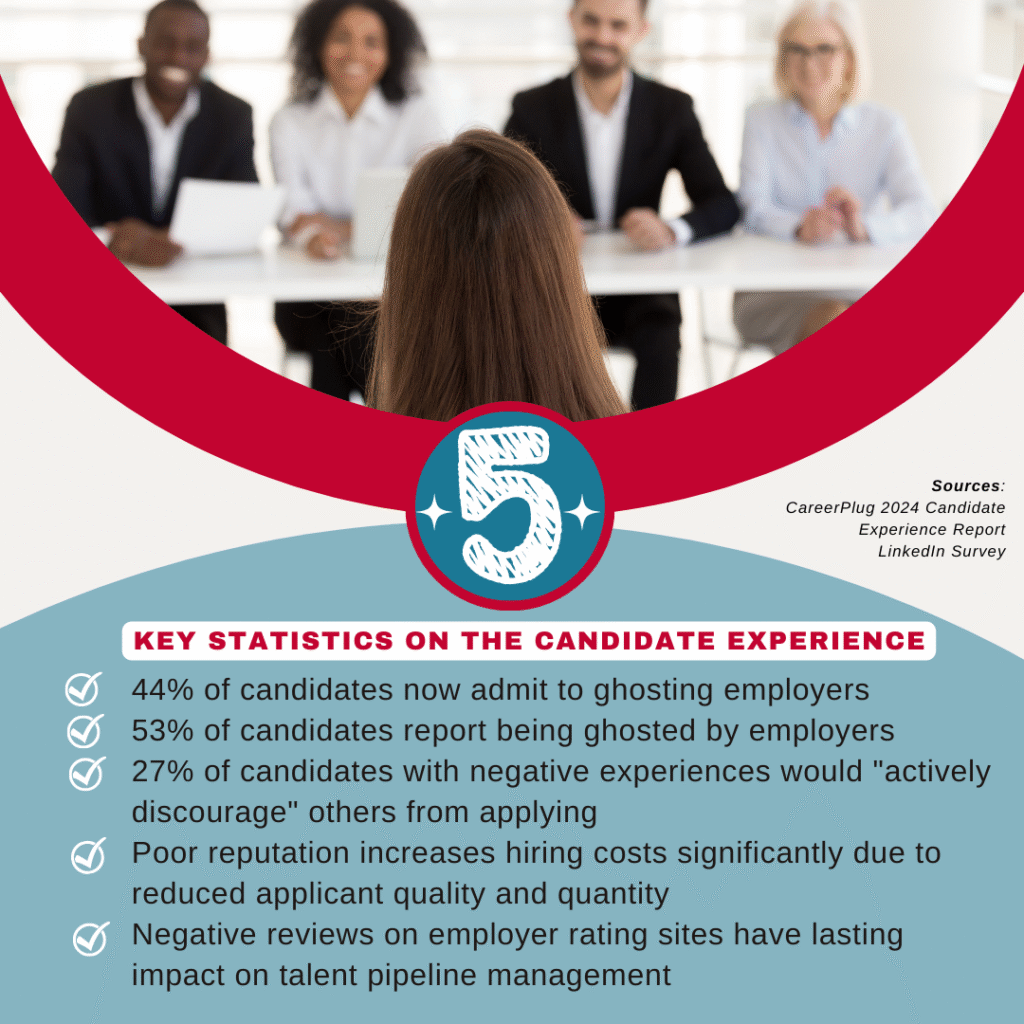
When hiring managers fail to communicate effectively, leave candidates waiting indefinitely, or conduct unprepared interviews, they’re not just losing talent—they’re actively damaging their company’s reputation. A LinkedIn survey found 27% of candidates who had a negative experience would “actively discourage” others from applying for a job with that company. This means more than a quarter of poorly treated candidates become active detractors of your organization.
The ripple effects extend beyond recruitment. Companies with damaged reputations face significantly higher costs per hire, as they must work harder to attract quality talent and often resort to premium compensation to overcome their tarnished image. In today’s interconnected world, where platforms like Glassdoor and Indeed amplify candidate voices, a single negative experience can influence hundreds of potential applicants.
The Ghosting Goes Both Ways
Contrary to popular belief, employers are often the primary perpetrators of professional ghosting. According to the 2024 Candidate Experience Report from CareerPlug, 44% of candidates now admit to ghosting employers, while 53% of candidates report being ghosted by employers. This data reveals that while candidates may abandon processes after receiving better offers or experiencing poor treatment, employers frequently ghost candidates as standard practice.
Increased recruiter workloads have created a perfect storm where overwhelmed hiring teams simply stop communicating with candidates. This behavior sends a clear message that candidates are viewed as disposable commodities rather than potential team members who deserve basic courtesy.
When Candidates Feel Commoditized
Modern candidates, particularly younger generations, are increasingly sensitive to being treated as numbers rather than individuals. Research shows that many candidates face discriminatory questions and unprofessional treatment during interviews, reflecting fundamental failures in preparation and professionalism.
Many organizations inadvertently communicate disrespect through their hiring practices. Lengthy, repetitive application processes, unprepared interviewers who haven’t reviewed resumes, and generic rejection messages all contribute to candidates feeling devalued. When candidates invest time and emotional energy in pursuing opportunities, they expect reciprocal respect and communication.
The Interview Is Indeed Two-Sided
Today’s job market has shifted the power dynamic significantly. While employers evaluate candidates, candidates simultaneously evaluate employers—and they’re sharing their assessments publicly. Social media, employer review sites, and professional networks have given candidates powerful platforms to broadcast their experiences.
These interactions don’t just affect hiring decisions; they shape how candidates perceive and discuss companies within their networks. Companies must recognize that every touchpoint in the hiring process is a brand impression. From the job posting to the final decision communication, each interaction either builds or erodes the organization’s reputation as an employer of choice.

To combat poor candidate experience and protect your talent pipeline management, hiring managers should implement these essential best practices:
- Establish Clear Communication Timelines Set expectations upfront about when candidates will hear back and stick to those commitments. If delays occur, proactively communicate the new timeline rather than leaving candidates guessing.
- Prepare Thoroughly for Every Interview Review resumes beforehand, prepare relevant questions, and ensure all interviewers understand their role in the process. Unprepared interviews signal that candidates aren’t worth the time investment.
- Provide Meaningful Feedback Even for unsuccessful candidates, offer specific, actionable feedback when possible. This transforms rejection into a positive learning experience and maintains goodwill toward your organization.
- Streamline Application Processes Eliminate redundant steps and unnecessary fields in applications. Respect candidates’ time by making the process as efficient as possible while still gathering essential information.
- Maintain Professional Courtesy Throughout Treat every candidate interaction as a customer service moment. Polite, professional hiring process communication should be non-negotiable at every stage.
- Close the Loop with Every Candidate Never leave candidates wondering about their status. Even if it’s a simple automated message, ensure every applicant receives closure on their candidacy to avoid candidate ghosting.
- Train All Interview Participants Ensure everyone involved in hiring understands proper interview techniques, legal boundaries, and the importance of representing the company positively.
Leveraging Technology While Maintaining Humanity
Automation and AI tools can significantly improve candidate experience when used thoughtfully. Automated scheduling systems reduce back-and-forth email exchanges, while AI-powered screening can provide faster initial feedback to candidates. These technologies can handle routine communications, status updates, and basic screening questions efficiently.
However, technology should enhance rather than replace human connection at critical moments. Personal feedback delivery, final hiring decisions, and complex questions require human intervention. The key is using automation to free up human resources for high-value interactions while ensuring candidates never feel like they’re communicating solely with machines.
When implementing automated systems, maintain transparency about their use and always provide pathways for candidates to reach human representatives when needed. The goal is efficiency with empathy, not complete depersonalization of the hiring process.
Sample Professional Release Communication

Respecting Your Candidate Pipeline Here’s a template for respectfully communicating rejection:
Subject: Thank You for Your Interest in [Position Title]
Dear [Candidate Name],
Thank you for taking the time to apply for the [Position Title] role and for sharing your background with our team. We appreciate the effort you put into your application and the time you invested in our interview process.
After careful consideration, we have decided to move forward with another candidate whose background more closely aligns with our current needs. This decision was difficult given the quality of applicants, and we want to emphasize that this outcome doesn’t reflect negatively on your qualifications or potential.
We were particularly impressed by [specific positive detail about their background/interview]. We encourage you to apply for future positions that match your expertise, as we’d welcome the opportunity to consider you again.
We wish you success in your career journey and thank you again for your interest in [Company Name].
Best regards, [Hiring Manager Name]

Talent Pipeline Red Flags for Job Seekers
Candidates should watch for these warning signs during the hiring process:
- Vague job descriptions that don’t match the actual role discussed in interviews
- Interviewers who haven’t reviewed the resume or seem unprepared
- Long periods without communication or status updates
- Requests for spec work or extensive unpaid tasks during the interview process
- Inappropriate personal questions or comments about protected characteristics
- Consistently late or rescheduled interviews without explanation
- Multiple rounds of interviews without clear purpose or progression
These recruitment mistakes signal organizations that don’t value candidate experience and may indicate deeper cultural issues.
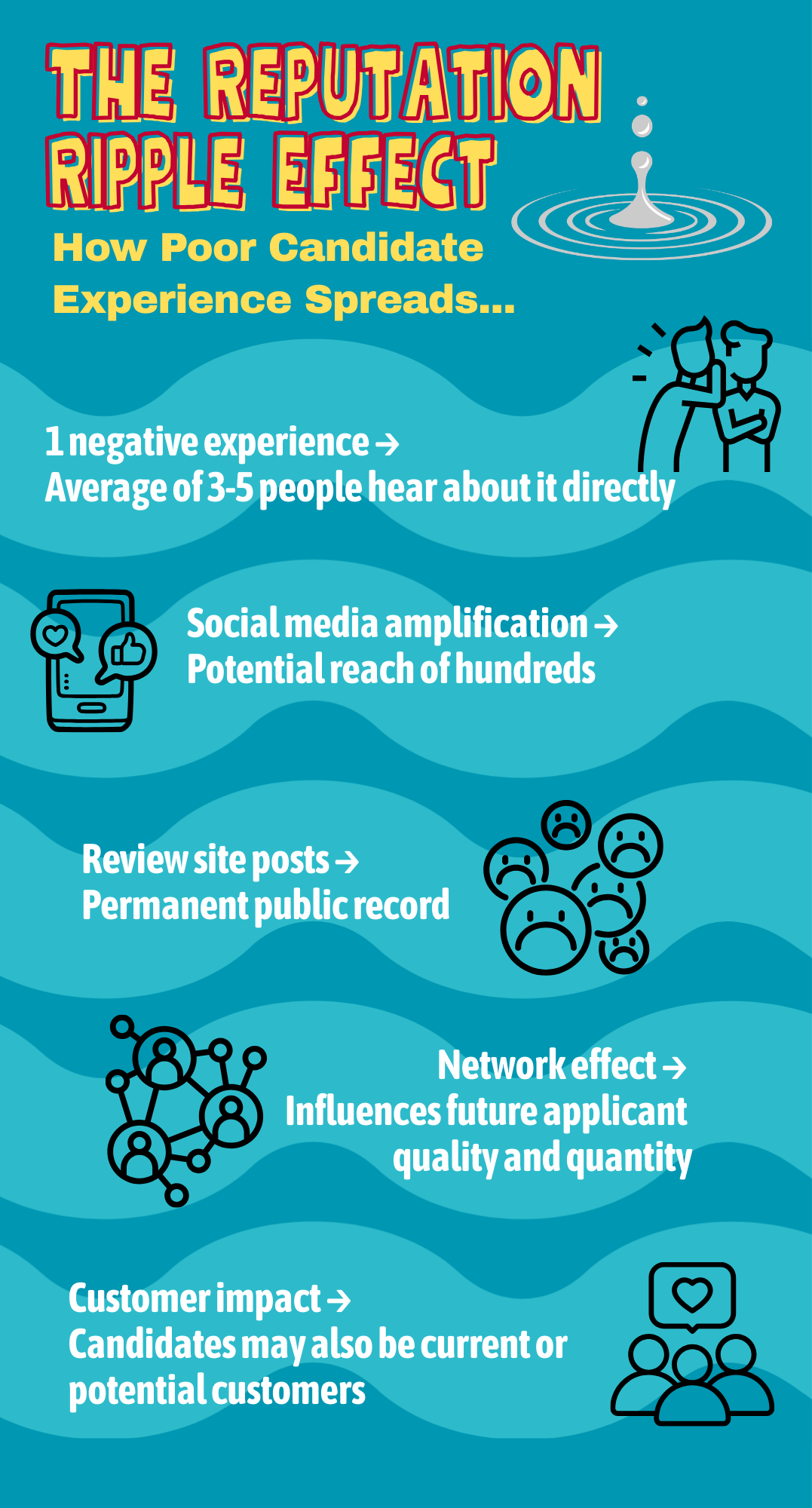
A Poor Candidate Experience Empowering Candidates: Taking Control of Your Experience
For job seekers navigating today’s challenging market, understanding your worth and advocating for respectful treatment isn’t just recommended—it’s essential. Remember that interviews are mutual evaluations, and you have every right to assess whether an organization aligns with your values and career goals.
Document your experiences throughout the process. Keep records of communication timelines, interview preparation levels, and overall professionalism. This information helps you make informed decisions and provides valuable feedback if you choose to share your experience on professional platforms.
Don’t hesitate to ask pointed questions about company culture, turnover rates, and why the position is available. Organizations that bristle at legitimate inquiries may be revealing more about themselves than they intend. Quality employers welcome engaged candidates who ask thoughtful questions.
Consider the long-term implications of accepting offers from companies that demonstrated poor candidate experience. If they can’t manage a structured hiring process professionally, what does this suggest about their day-to-day operations, employee development, or crisis management?
Most importantly, know when to walk away. A job offer from an organization that disrespected you during recruitment is rarely worth the compromise. Your career deserves better, and accepting substandard treatment only perpetuates the cycle of poor candidate experience.
The Path Forward: Mutual Respect in Hiring
The employment relationship begins long before the first day of work—it starts with the very first interaction between candidate and company. Organizations that understand this fundamental truth are building competitive advantages through superior talent pipeline management and stronger employer brands.
For companies ready to transform their approach, the investment in respectful, professional hiring processes pays dividends through improved candidate quality, reduced hiring costs, and enhanced reputation. The alternative—continuing to treat candidates as disposable—becomes increasingly expensive as word spreads and top talent opts for competitors who demonstrate genuine respect for people.
The future of hiring belongs to organizations that recognize candidates as individuals deserving of professional courtesy, clear communication, and respectful treatment throughout the process. Those who adapt will thrive; those who don’t will find themselves struggling to attract the talent necessary for success in an increasingly competitive marketplace.
Hiring Process Timeline Week 1: Preparation and Posting
- Day 1-2: Finalize job description and requirements
- Day 3-5: Post position on relevant platforms
- Day 6-7: Begin initial application review
Week 2: Initial Screening
- Day 8-10: Screen applications and conduct brief phone/video screens
- Day 11-12: Send status updates to all applicants
- Day 13-14: Schedule first-round interviews
Week 3: First-Round Interviews
- Day 15-17: Conduct first-round interviews (30-45 minutes each)
- Day 18-19: Internal team discussion and candidate evaluation
- Day 20-21: Notify candidates of next steps or elimination
Week 4: Final Interviews and Decisions
- Day 22-24: Conduct final interviews with top 2-3 candidates
- Day 25-26: Reference checks and final deliberation
- Day 27-28: Make offer to selected candidate and notify others
Week 5: Offer Process
- Day 29-31: Negotiate terms and finalize offer
- Day 32-35: Obtain signed offer letter and begin onboarding preparation
This timeline provides structure while maintaining respect for candidates through consistent hiring process communication and reasonable timeframes. Adjust based on role complexity and organizational needs, but always communicate any changes to candidates promptly.
The hiring process is ultimately about building relationships, even when those relationships don’t result in employment. By treating every candidate interaction as an opportunity to strengthen your organization’s reputation, you create a sustainable talent pipeline that serves your company well into the future. Remember: today’s rejected candidate could be tomorrow’s perfect hire, customer, or influential network connection. Treat them accordingly.
************************************
Are you in need of hiring support?
Let us help you find the right person for your role. Hire Now.
Are you working, but unsatisfied and ready for a new role?
Visit our Job Board to apply for one of our employment opportunities.
************************************
ABOUT THE AUTHOR
 Nancy Schuman, CSP is the former Chief Commuications Officer for LLoyd Staffing.
A recruitment and career specialist, Nancy has more than 40 years in the staffing industry – 27 of them with LLoyd. Now semi-retired, she remains an advocate for career education; she has advised thousands of candidates on their resumes and job searches while also serving as the Careers columnist for a large weekly Long Island newspaper. Nancy has written 11 popular books for job seekers and business professionals. You can find her Author’s page and books on Amazon. She continues to blog for Lloyd and coach job seekers at all levels, offering advice for today’s competitive workplace.