

By Helaine Bocker, CSP, Director of Creative & Digital Talent Recruitment
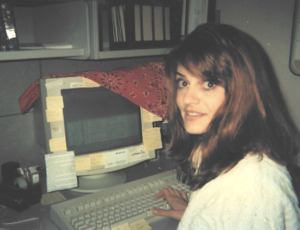
In the early 1990s, I was running my own graphic design studio when Photoshop began disrupting the industry. Designers quietly questioned whether digital tools would replace traditional craft.
Would technology eliminate the need for creative talent and human artistry?
It didn’t.
Instead, it expanded the creative process. We adapted. We blended intuition with innovation. The tools evolved, but the thinking behind the work remained human.
Today, we’re at a similar turning point with AI tools in design, animation, and digital content creation. Platforms like Runway ML, DeepMotion, Animaker AI, Pika Labs, and Kaiber are becoming integrated into everyday workflows. I’m actively recruiting professionals skilled in these technologies and others.
But here’s what hasn’t changed: technology enhances execution. It doesn’t replace imagination.
AI Tools Are Accelerators—Not Originators
AI tools allow creative teams to:
- Move from idea to visual prototype faster
- Test multiple concepts before committing budget
- Automate repetitive animation or editing tasks
- Explore stylistic variations efficiently
Used strategically, these platforms can elevate productivity and unlock experimentation. But AI doesn’t originate strategy. It doesn’t instinctively understand brand nuance, audience psychology, or cultural timing. It cannot determine when something feels derivative instead of distinctive.
That responsibility still belongs to creative talent. And in today’s hiring environment, that distinction matters more than ever.
5 Essential AI Tools Creative Professionals Are Using
As I recruit for roles across creative industries, these five AI tools consistently appear in job descriptions and candidate portfolios. Understanding their strengths helps both employers and creative talent navigate this evolving landscape:
- Runway ML — One of the most popular all-around AI creative tools. It lets you generate animations from text/text-to-video, edit footage, and apply AI effects. Great for content creators, marketers, and those who want flexibility and high creative control.
- DeepMotion — A strong choice for realistic motion capture and 3D character animation. Upload real video and it automatically translates motion into animated 3D rigs—especially useful for game developers and 3D animators.
- Animaker AI — Beginner-friendly, web-based platform with drag-and-drop tools and templates. Ideal for simple 2D animations, explainer videos, and social media content.
- Pika Labs — Focuses on text-to-video/animation generation, letting you create stylized animated clips just by describing scenes. Very experimental but powerful for quick concept visuals.
- Kaiber — Turns images, music, and short video inputs into stylized animations—popular with social and music video creators.
These tools are powerful accelerators. But the most successful creative talent doesn’t just know how to use them—they know when to use them, and more importantly, when not to.
The Hiring Shift in Creative Fields
The hiring challenges in creative fields have intensified as AI tools expand. Employers are navigating:
- Shorter content cycles
- Leaner internal marketing teams
- Increased competition for digital visibility
- Pressure to integrate automation without diluting originality
Resumes now list AI proficiency. Portfolios often include AI-assisted work. Job titles blur as disciplines merge.
The real question is no longer “Can they use the tool?” It’s “Can they lead the creative process?” The difference between output and originality is where strong hiring decisions are made—or missed.
What Strong Creative Talent Looks Like Today
The most valuable creative talent in today’s market shares several characteristics:
- Concept-first thinking. Ideas drive execution.
- AI fluency without dependency. They leverage AI tools to enhance workflow, not define it.
- Brand intelligence. They translate business goals into meaningful visual communication.
- Hybrid capability. Designers increasingly combine motion, UX, animation, and strategic marketing awareness.
- Professional judgment. They understand ethical considerations, intellectual property risks, and long-term brand protection.
This blend of creativity and technical fluency isn’t easy to identify through resumes alone. And that’s where hiring often becomes complicated.
Key AI Skills Employers Are Seeking
Beyond familiarity with specific platforms, the most sought-after candidates demonstrate these competencies:
Prompt engineering for creative output. The ability to write precise, contextual prompts that yield high-quality results from generative AI platforms. This skill separates those who struggle with generic outputs from those who extract strategic value from AI collaboration.
AI-powered design systems. Knowledge of tools like Uizard, Framer AI, or Adobe Sensei that accelerate wireframing, UI design, and responsive layouts. The best candidates use these to explore options quickly, then apply human judgment to refine user experience and accessibility.
AI workflow integration. Understanding how to embed AI tools into existing creative processes for copywriting support, content ideation, and campaign planning. This includes knowing when AI enhances efficiency and when it compromises originality.
Image generation and refinement. Proficiency in Midjourney, DALL-E, or Adobe Firefly for rapid concept visualization. Top candidates know how to iterate thoughtfully and recognize when AI-generated imagery serves the brand versus when custom illustration is required.
Strategic tool selection. Perhaps most valuable: knowing which tool fits which creative challenge, and when to step away from AI entirely. This judgment comes from experience, not just technical skill.
These competencies matter. But they’re only valuable when paired with creative vision, strategic thinking, and brand stewardship.
The Cost of Overcorrecting Toward Automation
AI tools can absolutely improve efficiency. They can reduce production time and lower certain costs.
But overreliance creates risk:
- Campaigns that resemble competitors
- Erosion of brand identity
- Speed without strategic clarity
- Expensive rework when creative direction lacks leadership
Creative talent remains the differentiator. Technology executes. Humans imagine. Organizations that understand this balance outperform those chasing automation alone.
Why Specialized Recruitment Matters More Now
In 2026, evaluating creative talent requires industry context and hands-on understanding.

Having built my career first as a designer and then placed thousands of freelance and full-time professionals over more than 30 years, I understand what separates tool operators from true idea generators. My process goes far beyond resume screening. It includes in-depth candidate vetting, structured interviews, detailed portfolio reviews, and thoughtful evaluation of culture fit and collaboration style.
When appropriate, I facilitate sample project challenges between finalist candidates, giving clients added clarity around creative thinking, execution, and strategic alignment before a hiring decision is made.
Whether the need is freelance flexibility or a full-time creative leader, hiring decisions should strengthen brand integrity—not just increase output capacity. Every Lloyd placement, including contract talent, is fully guaranteed, providing clients with confidence as they build teams in a rapidly evolving landscape.
The right hire today isn’t simply someone who can operate AI tools. It’s someone who knows how to guide them.
Human-Led, AI-Enhanced
The conversation shouldn’t be framed as AI versus human creativity. The smarter question is: How do we build teams where creative talent leads and AI tools enhance?
When human imagination anchors the creative process, technology becomes an amplifier rather than a replacement. That’s the balance forward-thinking organizations are striving to achieve. Creative talent isn’t disappearing. It’s being redefined.
The brands that will stand out in this next chapter will be guided by professionals who understand both innovation and originality—and by leaders who know how to hire them wisely. I welcome partnering with you on your next project of search.

Connect with me on LinkedIn.
Email me at: HBocker@LloydStaffing.com
ABOUT THE AUTHOR
Helaine Bocker began her career in the creative industry after earning a Bachelor of Fine Arts in Graphic Design from New York Institute of Technology. With an entrepreneurial spirit and a passion for branding, she launched her own design studio, Corporate Identity Graphics, where throughout the 1990s she developed strategic marketing collateral for a diverse portfolio of Long Island–based businesses.
In 1997, Helaine brought her creative expertise to Lloyd Creative Staffing, shifting her focus from building brands to building the teams behind them. As the digital era reshaped marketing and web presence became central to brand strategy, she positioned herself at the intersection of creativity and talent acquisition—helping agencies, corporations, and emerging businesses secure exceptional creative and marketing professionals.
Clients quickly recognized her unique advantage: she speaks the language of both creatives and hiring leaders. Helaine is known for her ability to quickly grasp a company’s culture, strategic goals, and technical requirements—then deliver candidates who align not only on paper, but in purpose. As one client shared:
“What impressed me most was her ability to quickly understand our specific needs and company culture, presenting only highly qualified candidates who were genuinely excited about the opportunity. She provided invaluable market insights that helped us refine our requirements, maintained clear communication throughout the process, and offered insightful candidate assessments that proved spot on.”
A Certified Staffing Professional (CSP) through the American Staffing Association, Helaine maintains deep knowledge of employment law, compliance standards, and best practices in workforce management.
With nearly three decades in recruitment and executive search, she has placed thousands of professionals and partnered with an extraordinary range of organizations—from boutique creative firms to established enterprises. Her reputation is built on precision, integrity, and a genuine commitment to connecting great companies with great talent.